Author name: shagunsharma2621@gmail.com

SEO

Search Engine Optimization (SEO): The Ultimate Guide to Ranking Higher Online 🚀

In the fast-growing digital world, visibility is everything. No matter how attractive your website looks or how great your products are, they hold little value if people cannot find you online. This is where Search Engine Optimization (SEO) becomes a game-changer . SEO is not about shortcuts or tricks. It is about building a strong digital foundation that helps your website grow steadily, attract genuine users, and earn trust from search engines. In this detailed guide, we will explore SEO from the ground up—what it is, why it matters, how it works, and how it shapes online success . What Is SEO? Search Engine Optimization (SEO) is the practice of improving a website so that it appears higher in search engine results when users search for relevant information. The goal of SEO is to increase organic traffic, which means visitors who arrive naturally without paid advertisements. SEO focuses on aligning website content, structure, and performance with search engine guidelines while also meeting user needs. When done correctly, SEO helps websites gain visibility, credibility, and long-term growth . In simple words, SEO helps your website get found before your competitors. Why SEO Is Important in Today’s Digital Age A search engine is often the first step in most online experiences. People search for answers, products, services, reviews, and recommendations every day. If your website does not appear on the first page of results, chances are users will never discover it. Major Reasons SEO Matters Improves search engine visibility Drives consistent organic traffic Builds brand trust and authority Reduces dependency on paid ads Supports informed customer decisions SEO is an investment that continues to deliver value over time, unlike paid campaigns that stop the moment the budget ends. How Search Engines Discover and Rank Websites Search engines use complex systems to decide which pages deserve top rankings. This process happens in three main stages: 1. Crawling Search engine bots explore the web to find new or updated pages. 2. Indexing The discovered pages are stored in a massive database known as the index. 3. Ranking Search engines analyze ranking signals to determine which pages best answer a user’s query. SEO ensures that your website is crawlable, indexable, and optimized to rank competitively. Understanding Search Intent Modern SEO goes beyond keywords. It focuses on search intent, which means understanding what users actually want. Types of Search Intent Informational (learning something) Navigational (finding a specific site) Transactional (ready to buy) Commercial (comparing options) Optimizing content based on intent improves relevance and conversion rates. Core Types of SEO You Must Know SEO is made up of several interconnected parts that work together. 1. On-Page SEO: Optimizing Your Website Content On-page SEO includes all the optimization done directly on your website. Key On-Page SEO Factors Strategic keyword placement Optimized titles and meta descriptions High-quality, original content Internal linking structure Image optimization with alt text Mobile-friendly layout Strong content alone is not enough if technical SEO is missing. 2. Off-Page SEO: Building Authority Outside Your Website Off-page SEO focuses on increasing your website’s credibility through external signals. Important Off-Page SEO Elements High-quality backlinks Guest posting on relevant websites Brand mentions across the web Social sharing and engagement The more trusted websites link to you, the more authority your website gains. 3. Technical SEO: Strengthening the Website Backbone Technical SEO ensures your website performs smoothly behind the scenes. Technical SEO Essentials Fast website loading speed Secure HTTPS connection XML sitemaps Fixing crawl errors Mobile responsiveness Great content needs a solid technical SEO foundation to reach top rankings. Keyword Research: The Heart of SEO Keyword research is the process of discovering what users are searching for online. The right keywords guide your content to the people who need it most.Types of Keywords Short keywords (high competition) Long-tail keywords (high intent) Location-based keywords Buyer-focused keywords Using the right mix of keywords improves visibility and conversion potential. Content and SEO: A Powerful Partnership Content is the foundation of SEO. Search engines prioritize websites that offer helpful, relevant, and original information. SEO Content Best Practices Focus on solving user problems Provide in-depth explanations Avoid duplicate content Use headings for structure Add visual elements Update content regularly Quality content keeps users engaged and improves rankings naturally. User Experience (UX) and SEO Search engines now measure how users interact with websites. A positive experience signals quality. UX Factors That Influence SEO Page loading speed Mobile usability Easy navigation Readable content layout Low bounce rate Good UX not only improves rankings but also builds customer trust. Local SEO: Reaching Nearby Audiences Local SEO helps businesses appear in searches related to a specific location. Benefits of Local SEO Attracts local customers Increases phone calls and visits Improves local brand awareness Optimizing business listings and collecting reviews are key to local SEO success. Mobile SEO: Optimizing for Modern Users With most searches happening on mobile devices, mobile SEO is critical. Mobile SEO Best Practices Responsive design Fast loading on mobile Clear fonts and buttons Simple navigation Search engines prioritize mobile-friendly websites, making this essential. SEO Analytics: Measuring What Matters Tracking SEO performance helps you improve strategies over time. Important SEO Metrics Organic traffic growth Keyword rankings Bounce rate Time on site Conversion rate Data-driven SEO leads to consistent improvement. Common SEO Mistakes to Avoid Many websites lose rankings due to avoidable errors. SEO Mistakes to Watch Out For Keyword overuse Thin or copied content Low-quality backlinks Ignoring technical issues Poor mobile optimization

Uncategorized

🚀 Social Media Marketing (SMM): The Ultimate Guide for 2026 and Beyond

Introduction Social Media Marketing (SMM) has transformed from a side hustle into the core engine of modern business growth. In 2026, with billions of people scrolling daily, platforms like Instagram, TikTok, LinkedIn, and Facebook are no longer just places to connect—they are marketplaces, entertainment hubs, and trust-building ecosystems. This blog dives deep into the importance, strategies, challenges, and future of SMM, giving you a roadmap to thrive in the digital-first era. Why Social Media Marketing Matters Social media is not just about likes and shares—it’s about influence, trust, and conversion. Global Reach: Billions of active users make social media the largest audience pool in history. Trust Factor: Consumers rely on peer reviews, authentic brand storytelling, and influencer recommendations. Social Commerce: Shopping directly inside apps is now mainstream. Data-Driven Insights: Platforms provide real-time analytics to refine campaigns. 🔥 Trends Defining SMM in 2026 🛍️ Social Commerce Explosion Social media platforms have become shopping malls in your pocket. TikTok Shop, Instagram Checkout, and Facebook Marketplace allow users to buy instantly without leaving the app. 🤖 AI-Powered Creativity AI tools generate captions, videos, and even campaign strategies. Brands use AI to scale content production while keeping it authentic. 🕶️ AR & VR Experiences Augmented Reality (AR) filters and Virtual Reality (VR) showrooms let customers try products virtually—whether it’s sneakers 👟 or hotel rooms 🏨. 🌟 Rise of Micro-Influencers Micro-influencers with smaller but highly engaged audiences deliver better ROI than celebrity endorsements. 📱 Platform Diversity From TikTok to BeReal, brands must adopt a multi-platform strategy to stay relevant.   🧭 Winning SMM Strategies 💬 Authentic Storytelling Consumers crave real stories. Share behind-the-scenes content, customer testimonials, and user-generated posts. 🎥 Video is King Short-form video dominates engagement. TikTok, Instagram Reels, and YouTube Shorts are essential for brand visibility. 📊 Data-Driven Campaigns Track engagement, conversions, and sentiment analysis to refine strategies. 👥 Community Building Communities on Facebook Groups, Discord servers, and LinkedIn forums foster long-term loyalty. 💸 Smart Paid Advertising AI-driven targeting ensures ads reach the right audience at the right time. ⚠️ Challenges in SMM 🔄 Algorithm Changes: Constant updates disrupt visibility. 🌀 Content Saturation: Millions of posts compete for attention daily. 🔐 Privacy Regulations: GDPR and CCPA limit targeting options. 🎯 Platform Dependency: Over-reliance on one app can be risky. 🌐 Popular Social Media Platforms for Marketing Each platform offers unique advantages depending on business goals. 👍 Facebook Marketing Facebook supports pages, groups, stories, and advanced ad targeting. It is ideal for brand awareness, customer engagement, and lead generation. 📸 Instagram Marketing Instagram focuses on visual storytelling. Reels, Stories, and Shopping features make it perfect for fashion, food, travel, and lifestyle brands. 💼 LinkedIn Marketing LinkedIn is the best platform for B2B marketing. It supports thought leadership, professional networking, and lead generation. 🐦 Twitter (X) Marketing Twitter allows brands to join trends, share updates, and interact directly with users in real time. 🎬 YouTube Marketing YouTube is one of the largest search engines. Video content helps businesses educate audiences and build long-term authority. ⚖️ Organic vs Paid Social Media Marketing 🌱 Organic Social Media Marketing Organic marketing focuses on free content posting and engagement. It builds long-term relationships and brand authenticity. Benefits: Builds trust Strengthens brand voice Encourages community growth 🚀 Paid Social Media Marketing Paid marketing delivers faster results by targeting specific audiences with ads. Benefits: Quick visibility Precise targeting Scalable campaigns The best results come from combining both organic and paid strategies. ⚠️ Common Social Media Marketing Mistakes to Avoid Avoiding these mistakes helps improve results: Posting without a plan Ignoring comments and messages Over-promotional content Inconsistent posting Not tracking performance Using identical content on all platforms Learning from mistakes leads to better strategies.

Google Ads

Google Ads: A Complete Guide to Driving Targeted Traffic and Real Business Growth

Mastering Google Ads: A Complete Guide for 2026 In the current era, digital marketing isn’t optional; it’s the foundation of business survival. At the center of this ecosystem stands Google Ads, the world’s most powerful advertising platform. With billions of searches processed daily, Google Ads allows businesses to connect with potential customers at the exact moment they’re looking for solutions. This intent‑driven model makes Google Ads one of the most effective tools for driving measurable growth. In this guide, we’ll explore Google Ads in detail — from its fundamentals to advanced strategies — and provide actionable insights to help you master campaigns in 2026 and beyond. What is Google Ads? Google Ads is Google’s advertising platform that enables businesses to display ads across multiple channels: Search Ads: Text ads shown on Google’s search results when users type in relevant queries. Display Ads: Visual banners appearing across millions of websites in Google’s Display Network. Video Ads: Ads running on YouTube and other video platforms. Shopping Ads showcase product listings complete with images, pricing, and direct purchase links. App Ads: Campaigns designed to drive app downloads and engagement. Unlike social media ads, which target users based on demographics and interests, Google Ads reaches people when they’re actively searching for products or services. This makes it uniquely powerful for capturing high‑intent traffic. Why Google Ads Matters Unmatched Reach: Google processes over 8.5 billion searches daily, offering unparalleled visibility. Precision Targeting: Advertisers can target by location, demographics, device type, and browsing behavior. Measurable ROI: Every click, impression, and conversion is trackable, making optimization straightforward. Scalability: Works for startups with small budgets and enterprises spending millions. Flexibility: Campaigns can be adjusted in real time to respond to market changes. For businesses in 2026, Google Ads is not just a marketing channel — it’s a growth engine. 🛠 Setting Up Google Ads Campaigns Step 1: Define Clear ObjectivesBefore launching, clarify your goals: Increase website traffic Generate qualified leads Drive online sales Build brand awareness Step 2: Conduct Keyword ResearchKeywords are the backbone of Google Ads. Leverage Google Keyword Planner along with tools such as SEMrush and Ahrefs to uncover: High‑intent keywords (e.g., “buy running shoes online”) Long‑tail keywords (specific phrases with lower competition) Negative keywords are search terms you exclude so your ads don’t appear for them. Step 3: Structure Campaigns EffectivelyOrganize campaigns into: Campaigns: The overarching objective (e.g., “Holiday Sale”). Ad Groups: Subcategories or themes (e.g., “Men’s Shoes,” “Women’s Shoes”). Ads: Specific creatives targeting those groups. Step 4: Choose Bidding Strategy Manual CPC allows you to specify the maximum cost you’ll pay for a single ad click. Automated Bidding: Google optimizes bids for conversions, clicks, or impressions. Target ROAS/CPA: Advanced strategies for maximizing return on ad spend or cost per acquisition. Targeting Options in Google Ads Google Ads offers robust targeting features: Geographic Targeting: Show ads in specific countries, cities, or even within a radius. Demographic Targeting: Age, gender, parental status. Device Targeting: Desktop vs. mobile. Remarketing: Re‑engage users who previously visited your site. Custom Audiences: Build audiences based on interests, behaviors, or purchase intent. In‑Market Audiences: Target users actively researching products similar to yours. With this precision, your ads engage the ideal audience at the perfect moment. Optimizing Campaigns for Success Crafting Effective Ad CopyUse keywords in headlines to boost relevance. With this precision, your ads engage the ideal audience at the perfect moment. Highlight unique selling points (e.g., free shipping, 24/7 support). Test multiple variations to see which resonates best. Improving Landing PagesEnsure fast loading speed. Keep messaging consistent with the ad. Simplify forms to reduce friction. Strengthen credibility by adding testimonials, user reviews, and visible security badges. Tracking PerformanceIntegrate with Google Analytics. Monitor CTR, conversion rate, and Quality Score consistently. Use A/B testing to refine ad copy and landing pages. Advanced Google Ads Strategies Responsive Search Ads: Google tests multiple headline/description combinations to find the best performer. Dynamic Search Ads: Ads automatically generated based on your website content. Performance Max Campaigns: Unified campaigns across Search, Display, YouTube, and Gmail. Smart Campaigns: Automated campaigns ideal for beginners. Call‑Only Ads: Drive phone calls directly from search results. Local Campaigns: Promote physical stores to nearby customers. Mistakes to Avoid Ignoring Negative Keywords: Leads to wasted ad spend. Weak Landing Pages: Poor user experience reduces conversions. Broad Targeting: Dilutes relevance and increases costs. Not Testing Ads: A/B testing is essential for optimization. Overlooking Mobile Users: Mobile traffic dominates; ensure ads and landing pages are mobile‑friendly. The Future of Google Ads Looking ahead to 2026 and beyond, Google Ads will continue to evolve: AI‑driven automation: Machine learning will optimize bids and placements with minimal human input. Privacy‑first advertising: With cookies fading out, contextual targeting and first‑party data will dominate. Voice Search Ads: As smart speakers grow, voice‑based queries will reshape keyword strategies. AR/VR Ads: Immersive ad formats will allow brands to engage users in new ways. Sustainability Messaging: Consumers increasingly prefer eco‑friendly brands; ads will highlight green initiatives. Final Thoughts Google Ads is more than just an advertising platform — it’s a dynamic ecosystem that adapts to consumer behavior, technology, and market trends. Achieving success depends on ongoing experimentation, learning, and adjustment. By combining strong keyword research, compelling ad copy, and optimized landing pages, businesses can harness Google Ads to reach customers at the exact moment of intent. Whether you’re a beginner or a seasoned marketer, the key is to stay agile, embrace automation, and keep refining your campaigns. In the fast‑paced digital world, Google Ads remains one of the most powerful tools to drive measurable business results.

Content Marketing

Grow Smarter with Content Marketing

Content Marketing: Building Trust, Visibility, and Growth with Adnclick   In a digital world filled with advertisements, pop-ups, and sales messages, audiences have learned how to ignore anything that feels forced. Modern consumers are more informed, more selective, and more value-driven than ever before. Instead of being sold to, they prefer brands that truly understand their needs.. This shift in behavior has transformed the way businesses communicate, making content marketing one of the most effective and trusted strategies for long-term success. Content marketing is not about quick wins or viral tricks. It is about consistency, clarity, and connection. When brands deliver meaningful information that solves problems and answers questions, they earn attention naturally. Over time, this attention turns into trust, and trust turns into growth. Understanding Content Marketing Content marketing is a strategic marketing approach centered on creating and distributing valuable, relevant, and audience-focused content with the goal of attracting, engaging, and retaining customers. Instead of promoting products directly, content marketing focuses on educating, informing, and supporting audiences throughout their decision-making journey. The content created is designed to help users, not interrupt them. It speaks to their needs, challenges, and interests while subtly positioning the brand as a reliable solution provider. This approach builds long-term relationships rather than short-term transactions. Content marketing includes: Blog articles Website pages Educational guides Email newsletters Social media content Videos and visuals Case studies and whitepapers Each format serves a different purpose but works together to create a strong digital presence. Why Content Marketing Matters More Than Ever Digital platforms have changed how people discover, evaluate, and trust brands. Buyers conduct research before contacting a business. They read blogs, watch videos, compare options, and look for credibility signals. Content marketing supports this behavior by providing useful information at every stage. Builds Brand Authority When a brand consistently shares accurate and helpful insights, it becomes a trusted voice in its industry. Over time, audiences begin to associate the brand with expertise and reliability. Strengthens Customer Trust Trust is not built overnight. Content marketing nurtures trust gradually by offering value without demanding immediate action. This makes customers more comfortable choosing your brand when they are ready. Improves Search Engine Visibility Search engines favor websites that publish original, relevant, and user-focused content. High-quality content increases organic traffic and improves rankings for important keywords. Drives Quality Leads Unlike random traffic, content marketing attracts users who are genuinely interested in what your business offers. This results in higher engagement, better leads, and improved conversion rates. Supports Long-Term Growth Content remains effective and continues to generate value long after publication. A single blog post or guide can generate traffic, leads, and brand awareness for months or even years. Content Marketing vs Traditional Marketing Traditional marketing relies heavily on interruption. Advertisements appear between content, during videos, or inside social feeds. While this approach can create visibility, it often lacks engagement. Content marketing works differently. It earns attention by providing value. Instead of forcing messages onto users, it invites them in. Traditional marketing focuses on selling.Content marketing focuses on helping. This difference makes content marketing more sustainable and cost-effective in the long run.   Types of Content That Strengthen Digital PresenceBlog Content Blogs are a core component of content marketing. They improve search visibility, educate audiences, and establish authority. Consistent blogging helps brands stay relevant and discoverable. Website Content Website content defines your brand’s message and value proposition. Clear and persuasive website copy improves user experience and encourages action. Long-Form Content Guides, e-books, and detailed resources allow brands to explore topics deeply. These assets help position businesses as industry leaders and are ideal for lead generation. Email Content Email content helps maintain relationships with existing and potential customers. Well-crafted emails keep audiences informed and engaged over time. Social Media Content Social platforms amplify content reach and foster interaction. Short, engaging content builds visibility and community around a brand. Creating an Effective Content Marketing Strategy Successful content marketing requires planning, consistency, and clarity. Without strategy, even good content can fail to deliver results. Step 1: Set Clear Objectives Define what you want to achieve—brand awareness, lead generation, traffic growth, or customer retention. Clear goals guide content creation. Step 2: Understand Your Audience Knowing your audience’s interests, challenges, and preferences helps create content that resonates and delivers value. Step 3: Research Topics and Keywords Research ensures your content aligns with what users are searching for. This improves relevance and discoverability. Step 4: Create High-Quality Content Content should be original, informative, and easy to understand. Quality matters more than volume. Step 5: Distribute Strategically Content must be shared across appropriate channels to reach the right audience. Distribution maximizes impact. Step 6: Measure Performance Analytics help evaluate what works and what doesn’t. Continuous improvement ensures long-term success. The Connection Between Content Marketing and SEO Content marketing and search engine optimization are closely linked. SEO improves visibility, while content delivers value. Content supports SEO by: Targeting relevant keywords naturally Improving engagement metrics Reducing bounce rates Attracting backlinks Enhancing user experience The primary goal of search engines is to present users with the most relevant and accurate information. High-quality content aligns perfectly with this goal. Common Challenges in Content Marketing Many businesses struggle with content marketing due to: Lack of consistency Limited resources Unclear strategy Poor audience targeting Difficulty measuring ROI These challenges can be overcome with structured planning, professional execution, and data-driven optimization. The Importance of Original and Authentic Content Original content is essential for credibility and SEO. Search engines penalize duplicate or low-value content, while audiences lose trust in brands that lack authenticity. Authentic content reflects real expertise, honest insights, and genuine intent to help. This authenticity strengthens brand reputation and customer loyalty. The Future of Content Marketing Content marketing continues to evolve with technology and user behavior. Personalization, interactive formats, voice search optimization, and AI-assisted insights are shaping the future. Despite these changes, the core principle remains the same: content must be valuable, relevant, and audience-focused. Brands that prioritize quality and authenticity will continue to

Email Marketing

The Complete Guide to Email Marketing

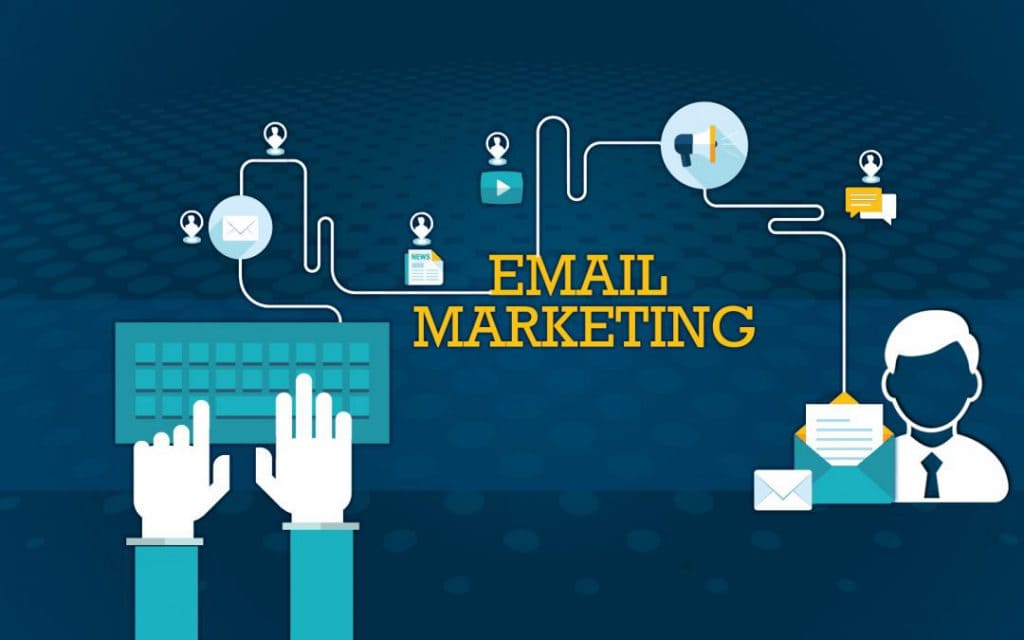
Email Marketing Services by AdnClick In today’s rapidly evolving digital landscape, businesses are constantly searching for effective ways to connect with their audience, earn trust, and drive sales. Among the many digital marketing techniques available, email marketing continues to stand out as one of the most dependable, affordable, and high-performing channels. At AdnClick, we view email marketing as more than just sending promotional emails. It is a powerful way to build lasting relationships, provide meaningful value, and support customers at every stage of their journey. This blog will explain what email marketing is, why it is important, how it works, and how businesses can use it to achieve long-term growth. What Is Email Marketing? Email marketing is a digital marketing method that involves sending targeted emails to a group of subscribers to promote products or services, share updates, educate customers, and strengthen relationships. These emails may include newsletters, special offers, product announcements, educational content, or personalized messages. Unlike social media platforms that rely heavily on algorithms, email marketing allows businesses to reach their audience directly. When users subscribe to your email list, they give permission to receive communication in their inbox, making email one of the most trusted and personal marketing channels. Why Email Marketing Is Important for Businesses Even with the growth of social media, paid advertising, and influencer marketing, email marketing remains a crucial tool for business success. Here’s why: 1. Direct Communication with Your Audience Email enables businesses to connect directly with interested customers without depending on third-party platforms. Your message reaches people who have already shown interest in your brand. 2. Cost-Effective Marketing Email marketing is highly budget-friendly compared to paid advertising. It allows businesses to reach a large audience with minimal investment, making it suitable for startups, small businesses, and large organizations. 3. Strong Return on Investment (ROI) Email marketing delivers better results than many other digital marketing channels. With a well-planned strategy, businesses can generate significant revenue through targeted email campaigns. 4. Builds Long-Term Relationships Regular emails that offer useful and relevant content help build trust and credibility. When subscribers consistently receive value, they are more likely to remain loyal to your brand. 5. Complete Ownership of Your Audience Unlike social media platforms, your email list is fully under your control. You are not affected by algorithm changes, policy updates, or sudden drops in reach. How Email Marketing Works Email marketing follows a structured and strategic process: Build an Email ListGather email addresses from interested users through sign-up forms, landing pages, lead magnets, or website subscriptions. Segment Your AudienceOrganize subscribers based on interests, behavior, location, or purchase history to deliver more personalized messages. Create Valuable ContentDesign emails that educate, inform, or solve problems instead of focusing only on sales. Send Emails at the Right TimeProper timing improves open rates and audience engagement. Track and Optimize PerformanceMonitor key metrics such as open rates, click-through rates, and conversions to improve future campaigns. At AdnClick, we rely on data-driven strategies to ensure every email campaign delivers real value and measurable results. Types of Email Marketing Campaigns Email marketing includes more than just promotional messages. Different email campaign formats are used to achieve specific goals and support customers throughout their journey. 1. Welcome Emails Welcome emails are sent immediately after someone joins your email list. A well-written welcome message builds a strong first impression and clearly explains what subscribers can expect in the future. 2. Newsletter Emails Newsletter emails share useful content such as blog updates, tips, company news, and industry information. They help subscribers stay informed while keeping them engaged with your brand on a regular basis. 3. Promotional Emails Promotional emails highlight discounts, special offers, product launches, and limited-time deals. When planned carefully, these emails increase sales without feeling overly sales-focused. 4. Transactional Emails Transactional emails include order confirmations, payment details, shipping updates, and account-related messages. They are essential for building trust and delivering a reliable customer experience. 5. Educational Emails Educational emails focus on sharing knowledge through guides, tutorials, tips, and insights. These emails add value and position your brand as a credible authority in your industry. 6. Re-Engagement Emails Re-engagement emails are sent to inactive subscribers to regain their interest and encourage them to reconnect with your brand. Benefits of Email Marketing for Business Growth Personalized Customer Experience Email marketing allows businesses to send targeted messages based on customer behavior, interests, and preferences. This personalized approach leads to better engagement and stronger relationships. Increased Brand Awareness Regular email communication keeps your brand visible and memorable. Even if subscribers do not take immediate action, they are more likely to remember your business when they need your services. Better Customer Retention Email marketing helps businesses stay connected with existing customers. Consistent and valuable emails encourage repeat purchases and long-term customer loyalty. Measurable Results Email marketing tools provide detailed performance data such as open rates, clicks, and conversions. This data makes it easier to analyze results and improve future email campaigns. Automation and Scalability Email automation simplifies communication while maintaining consistency. Businesses can reach large audiences efficiently without increasing manual effort. Email Marketing Strategy by AdnClick At AdnClick, we follow a structured and result-oriented email marketing approach: 1. Audience Research We understand your target audience, their needs, pain points, and interests before creating any campaign. 2. List Building and Optimization We help businesses grow quality email lists with genuine subscribers who are more likely to engage. 3. Content That Adds Value Our email content focuses on education, trust, and relevance—not just sales messages. 4. Smart Segmentation We segment email lists to deliver the right message to the right audience at the right time. 5. Automation Setup We design automated email workflows such as welcome sequences, follow-ups, and lead nurturing campaigns. 6. Performance Tracking We analyze performance data and continuously improve campaigns for better results.

wpChatIcon
wpChatIcon
Scroll to Top